Minor Ambulatory Procedures
One of the most effective options is ambulatory phlebectomy, designed to remove troublesome surface veins with precision.
What Is Ambulatory Phlebectomy?
Ambulatory phlebectomy (often called microphlebectomy) is a minimally invasive technique used to eliminate enlarged surface veins in the legs. Through extremely small skin openings, a vein specialist gently extracts damaged vessels that are too large for sclerotherapy but not ideal for endovenous laser treatments.
Because veins naturally collapse, even sizable ones can be removed through tiny entry points. No general anesthesia. No hospital stay. No stitches in most cases. The entire treatment happens in a clinical setting, and recovery is typically quick.
Office-based treatment
Minimal scarring
Low discomfort level
Short recovery period
Reliable cosmetic and medical improvement
Why Remove Varicose Veins?
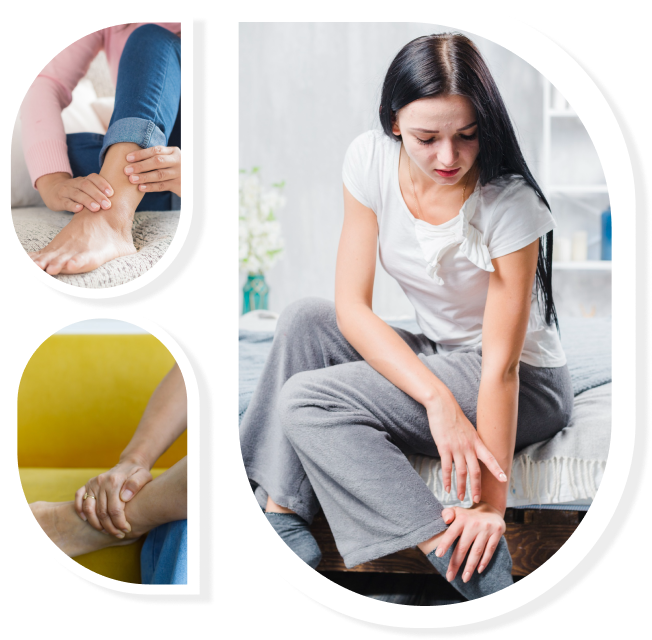
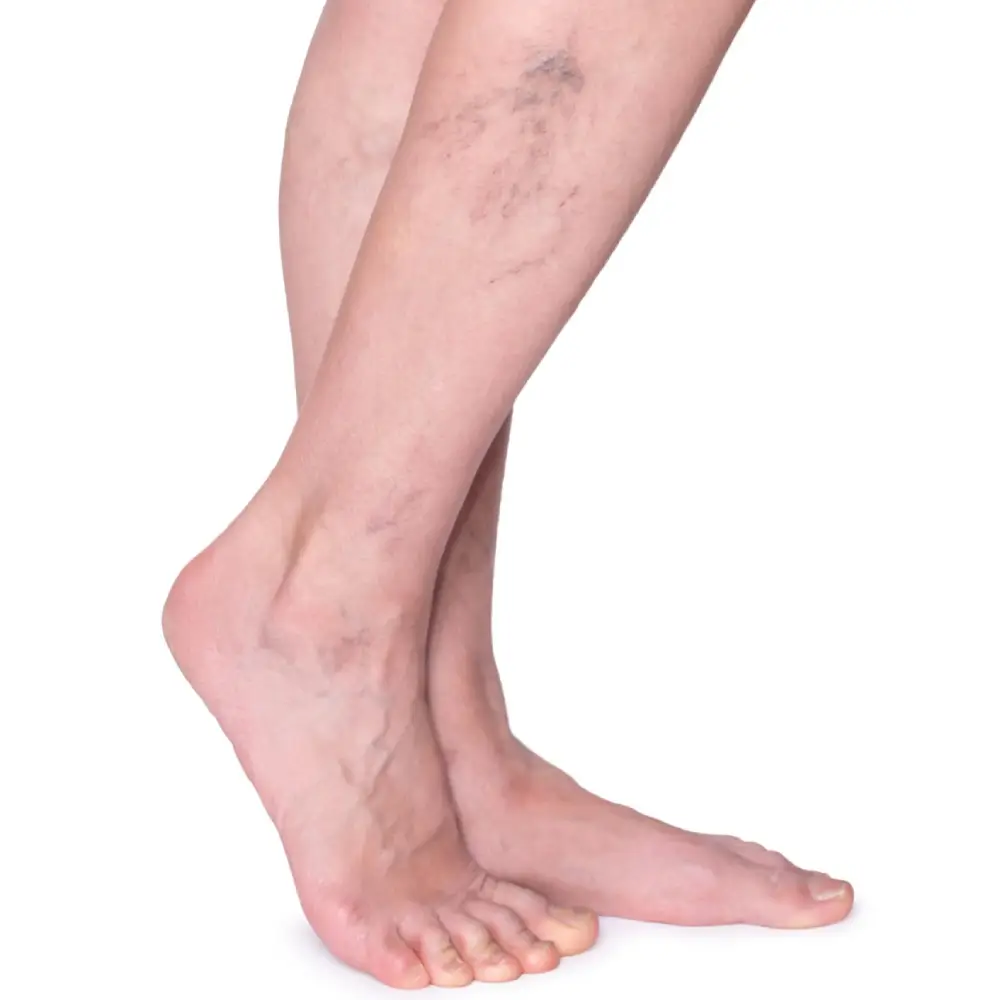
Some people seek care because of appearance, while others struggle with symptoms that affect daily life. Faulty veins don’t just sit there — they can create real health issues over time. Common reasons patients choose vein removal:
Aching, heaviness, or leg fatigue
Swelling around the lower legs or ankles
Skin darkening or irritation
Burning or throbbing sensations
Visible, twisted veins
Circulation problems in the legs
How the Procedure Works
This treatment is performed on an outpatient basis and usually takes under an hour.
Mapping the veins
The provider marks target vessels to ensure accuracy and protect nearby tissue.
Numbing the area
A local anesthetic keeps the region comfortable. Most patients feel little to nothing.
Tiny openings
Small skin punctures are created along the vein path.
Vein removal
A specialized instrument gently removes the damaged sections.
Compression applied
Bandaging helps reduce swelling and supports healing.
Take the First Step Toward Healthier Legs
Early treatment of varicose and spider veins can improve comfort and appearance. Our team at Accumed Center provides attentive, personalized vein care focused on your well-being and confidence. Book an Appointment
Safety Considerations & Potential Risks
This procedure has a strong safety profile, but every medical treatment carries some level of risk.
- Have untreated skin infections or rashes
- Cannot tolerate local anesthetic
- Are unable to use compression garments
Possible complications may include:
- Skin nerve irritation
- Bruising or temporary swelling
- Reaction to medication
- Minor bleeding
- Infection at treatment sites
- Vein inflammation (thrombophlebitis)
- Temporary numbness
Recovery and Aftercare
Mild tenderness, swelling, or discoloration is normal during early healing. These effects usually fade quickly.
What to expect after treatment:
- Walking is encouraged the same day
- Most patients return to work within 24 hours
- Compression stockings are worn for about one week
- Strenuous exercise and heavy lifting should wait roughly two weeks
The small marks typically fade significantly over several months. Some temporary pigmentation changes may appear but often resolve.
Results are long-lasting because treated veins are permanently removed. However, new vein issues can develop in the future, especially if genetics play a role. Staying active and maintaining a healthy weight helps reduce recurrence.
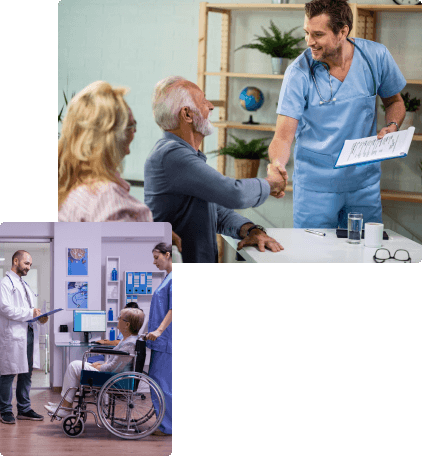
Board-Certified Primary Care Physician
Benefits of Ambulatory Phlebectomy
Long-term vein removal
Improved leg comfort
Better skin appearance
Minimal downtime
Office procedure without general anesthesia
FAQs About Telemedicine at Accumed Center
Is ambulatory phlebectomy painful?
Most individuals report only minor pressure or movement sensations during treatment because the area is fully numbed.
Will I have scars afterward?
The skin openings are extremely small and typically heal with little to no visible marking over time.
How soon will I notice improvement?
Appearance and symptom relief often begin within weeks as swelling decreases and healing progresses.
Can varicose veins return after treatment?
The treated vessels are gone for good, but new ones can form later, especially if there is a family tendency toward vein disease.