
Immunizations & Vaccinations
Safe, science-backed immunization for every stage of life.
Why Vaccines Matter?
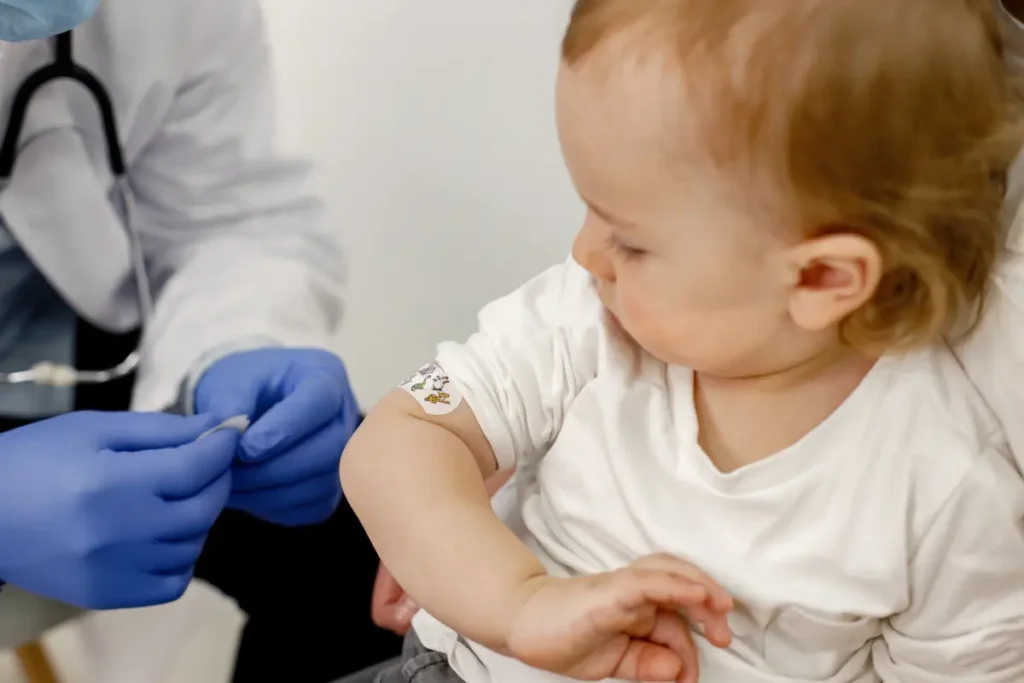
Newborns receive short‑term defense from a parent during pregnancy, but that early shield fades quickly. Scheduled immunizations train the body’s natural defense system to recognize and fight harmful viruses and bacteria before they can cause serious illness. Most vaccines are given as shots, while some come in liquid or nasal spray form.
These preventive treatments contain inactive or weakened parts of a germ. This exposure helps the immune system build protective memory without causing the disease itself, leading to lasting resistance and reduced health risks over time.
Board-Certified Primary Care Physician
Benefits of Staying Up to Date
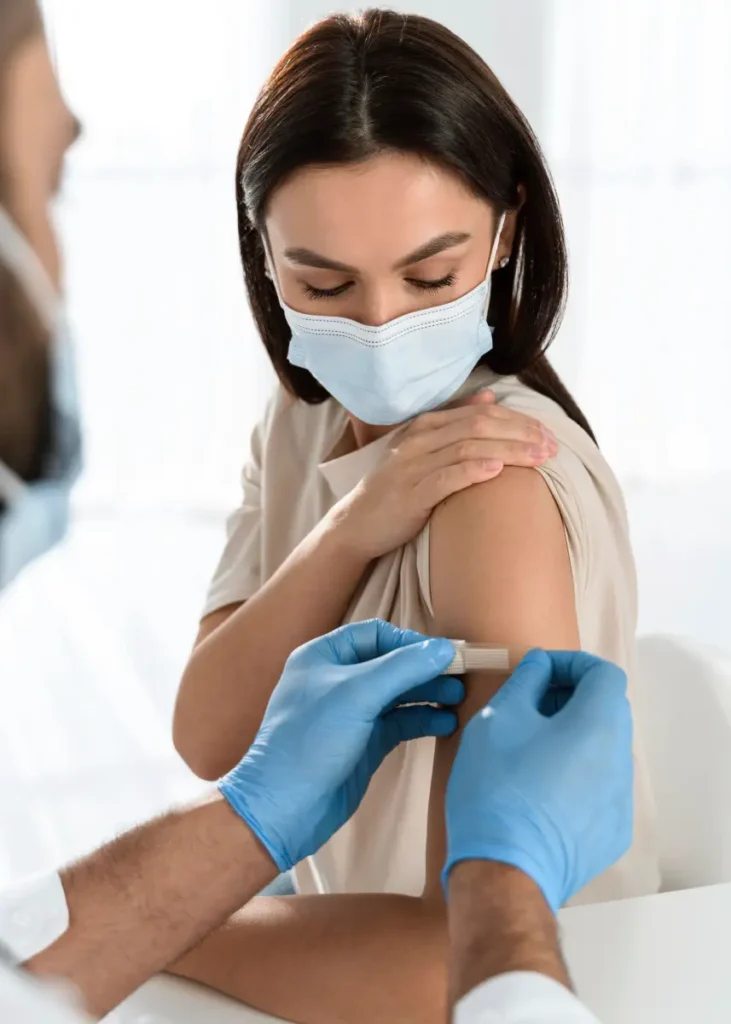
Routine vaccination programs have dramatically lowered rates of once‑common conditions that used to cause disability, complications, and loss of life. Today, illnesses such as polio, measles, and whooping cough are far less widespread because communities maintain high immunization coverage. Key advantages include:
Lower chance of catching serious infection
Reduced severity if exposure happens
Protection for vulnerable people who cannot receive certain vaccines
Fewer disease outbreaks in schools, workplaces, and neighborhoods
Immunization protects not only individuals but also the wider public by slowing the spread of contagious diseases.
Vaccines Commonly Recommended
Hepatitis A & Hepatitis B
Pneumococcal disease
Tetanus
Seasonal influenza
Human papillomavirus
Shingles
Stay Protected. Book Now.
Stay current with recommended vaccines to protect yourself and those around you at every stage of life. Book an Appointment
Immunization Across Life Stages
Different periods of life call for specific preventive care.
Infants & Children
Early childhood vaccines build protection during crucial developmental years.
Adolescents
Booster doses and age‑specific immunizations help maintain defense as teens grow.
Adults
Workplace, travel, and lifestyle factors may require updated coverage.
Older Adults
Aging immune systems benefit from additional protection against respiratory and nerve‑related infections.
Pregnancy
Certain vaccines help safeguard both parent and baby.
Chronic Conditions
Individuals with long‑term health issues may need tailored recommendations.

School, Travel & Special Requirements
Public school and college enrollment
Military service
International travel
Healthcare or high‑risk occupations
Frequently Asked Questions
Questions about vaccine safety sometimes arise, especially online. Extensive global research and ongoing monitoring show that approved vaccines undergo rigorous testing and continuous review. Claims linking immunization to developmental disorders have been thoroughly investigated and disproven.
Choosing vaccination is a proactive step toward preventing disease resurgence and protecting community health.
Are vaccines safe?
Yes. Approved vaccines are tested in multiple phases and continuously monitored for effectiveness and safety.
Can I receive shots if I’m feeling mildly ill?
Minor conditions like a cold usually do not prevent vaccination, but your provider will evaluate your symptoms first.
Why do some vaccines require booster doses?
Certain protections fade over time. Boosters refresh immune memory to maintain strong defense.
Do adults still need vaccines?
Absolutely. Immunity can decrease with age, and new risks appear due to travel, work, or health changes.